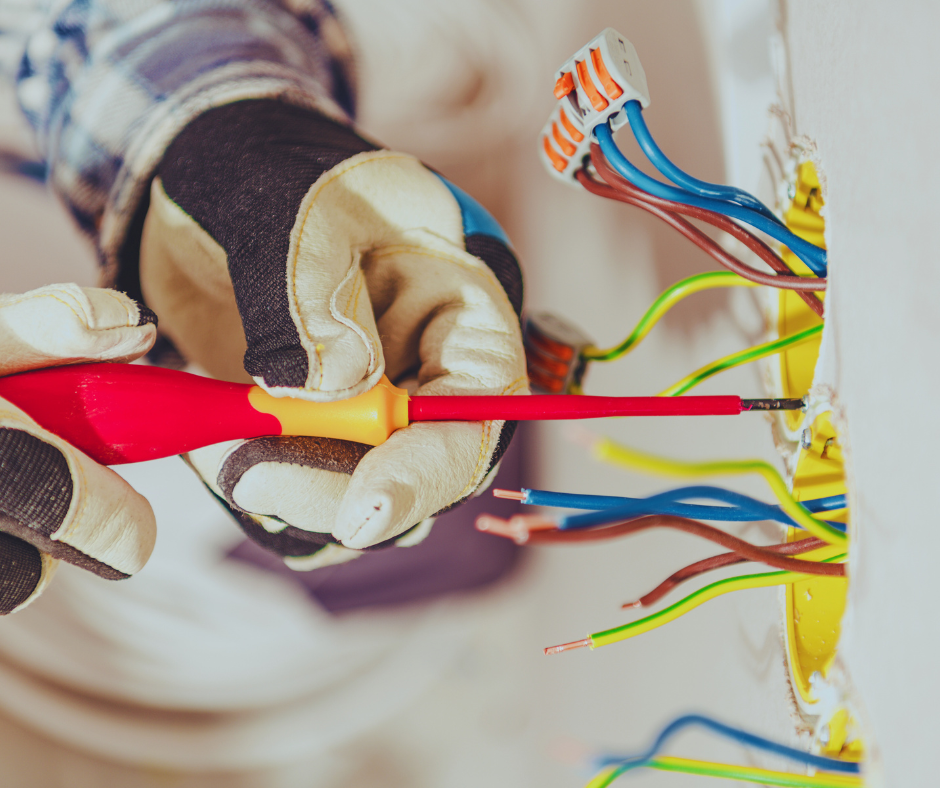
Why Flickering Lights Could Be a Serious Electrical Issue in Mt. Vernon, TX
Flickering lights electrical issue problems are one of the most common warning signs homeowners notice, but they are also one of the most misunderstood. Many people assume a flickering bulb is a small annoyance that can wait until later. Sometimes the fix really is simple, like replacing an old bulb. But in other cases, flickering lights are your home’s way of warning you about loose wiring, overloaded circuits, failing switches, unsafe connections, or an electrical panel that is struggling to keep up with demand.
In Mt. Vernon, TX, homeowners rely on stable power for everyday comfort and safety. Lights that flicker in the kitchen, living room, bathroom, garage, or exterior entryways can create frustration, but they can also point to deeper trouble in the electrical system. When flickering happens often, appears in multiple rooms, or gets worse when appliances turn on, it should not be brushed off as normal.
Your home’s electrical system is designed to deliver steady power. When that flow becomes unstable, your lighting fixtures often show the first visible clues. That is why it is important to understand what flickering means, what causes it, and when it is time to call a professional. If you need help from a local electrician, Bohlken Electric offers residential electric services for homeowners who need dependable troubleshooting, repairs, and safe electrical solutions.
Table of Contents
- What Flickering Lights Usually Mean
- Why a Flickering Lights Electrical Issue Should Never Be Ignored
- 1. A Loose Light Bulb or Fixture Connection
- 2. A Faulty Switch or Damaged Fixture
- 3. Overloaded Circuits in Busy Areas of the Home
- 4. Hidden Wiring Problems Behind the Walls
- 5. Electrical Panel Stress or Breaker Problems
- 6. Large Appliances Affecting Voltage Stability
- 7. Outdoor or Moisture-Related Electrical Trouble
- Warning Signs That Make Flickering More Serious
- What Homeowners Should Do First
- Why Local Professional Service Matters in Mt. Vernon
- Frequently Asked Questions
- Conclusion
What Flickering Lights Usually Mean
When homeowners see lights blink, dim, pulse, or flutter, they often hope it is nothing serious. In some cases, a single bulb may simply be worn out. But a repeated flickering lights electrical issue should always be taken as a signal to look closer. Lights are one of the most visible parts of your electrical system, so they tend to reveal problems before other components do.
Think about how often you use lighting throughout the day. Kitchen lights come on in the morning. Bathroom lights are switched on constantly. Living room lights may stay on for hours. Exterior lights help with visibility and security at night. If the electrical supply to those fixtures becomes unstable, the flickering can show up long before a bigger failure happens. That makes lighting behavior a useful warning sign, not just an inconvenience.
Flickering can happen in one room, in one fixture, or across multiple areas of the home. It can last for a second or happen repeatedly. It can show up only when the air conditioner starts, when the microwave runs, or when tools are used in the garage. Each pattern provides clues. The key is not to ignore those clues when they become frequent or widespread.
Why a Flickering Lights Electrical Issue Should Never Be Ignored
A flickering lights electrical issue matters because electricity should be stable under normal conditions. If your lights are regularly reacting to what is happening elsewhere in the home, the system may be under stress. That stress can come from aging wiring, poor connections, overloaded circuits, unstable fixtures, or a panel that is no longer handling the home’s power demand the way it should.
Homeowners sometimes wait because the lights still come on, which makes the problem feel minor. But unstable power can worsen over time. A loose connection can generate heat. Overloaded circuits can wear components down faster. Weak breakers and outdated panels can lead to recurring power interruptions. What begins as a flicker may eventually turn into dead outlets, tripped breakers, burnt smells, or more expensive repair work.
Electrical problems rarely improve by themselves. If a flickering lights electrical issue keeps happening, the safer move is to identify the cause early. That protects your lighting system, your appliances, your electronics, and the overall safety of the home.
1. A Loose Light Bulb or Fixture Connection
One of the simpler causes of a flickering lights electrical issue is a loose bulb or a poor connection inside the fixture. If the bulb is not seated properly, the electrical contact can be inconsistent. This may cause brief flickers, especially when the fixture is bumped, when doors close nearby, or when the light has been on for a while.
In some homes, the problem is not the bulb itself but the socket or fixture wiring. Older fixtures can wear down internally. The contact points may loosen, corrode, or fail to hold a stable connection. If changing the bulb does not solve the problem, the fixture may need inspection or replacement.
This type of issue is often more limited to one room or one light. Even so, it should still be handled properly. A fixture that flickers every day is telling you that something in the connection path is no longer reliable.
2. A Faulty Switch or Damaged Fixture
Another common cause of a flickering lights electrical issue is a faulty light switch. Switches wear out over time, especially in frequently used rooms like kitchens, bathrooms, hallways, and bedrooms. If the internal parts begin to loosen or fail, the flow of electricity can become unstable, causing the light to flicker when the switch is touched or when it remains in the on position.
Damaged fixtures can also create similar symptoms. You may notice flickering in recessed lighting, vanity lights, pendant lights, or ceiling-mounted fixtures. In some cases, the fixture may make a faint buzzing sound or feel unusually warm. That can point to a deeper internal problem that goes beyond the bulb itself.
Homeowners should pay attention to whether the flickering is isolated to a single switch or fixture. That pattern often helps an electrician trace the source more quickly and decide whether the solution is repair, replacement, or a closer look at the connected wiring.
3. Overloaded Circuits in Busy Areas of the Home
Sometimes a flickering lights electrical issue is not caused by the light at all. Instead, it happens because the circuit serving that area is carrying too much load. Kitchens, laundry rooms, garages, and home offices are common trouble spots because they often support several high-use devices at the same time.
For example, if kitchen lights dim when the microwave starts or if garage lights flicker when power tools are running, the circuit may be overloaded or poorly distributed. This does not always mean the breaker will trip right away. Sometimes the first sign is simply unstable lighting that appears under heavier demand.
Modern households use far more electricity than many older homes were designed to handle. More appliances, more chargers, more entertainment equipment, and more work-from-home setups all add pressure to the system. If the circuit layout has not kept pace, flickering becomes one of the early symptoms. In these cases, the right solution may involve reworking circuits, adding dedicated lines, or evaluating whether the panel has enough capacity.
4. Hidden Wiring Problems Behind the Walls
A more serious flickering lights electrical issue can come from hidden wiring trouble. Loose wire connections, damaged conductors, aging insulation, or past electrical work that was not done properly can all lead to intermittent power flow. Because the wiring is hidden behind walls, ceilings, and junction boxes, homeowners may not realize there is a problem until the lights begin to react.
This kind of issue should never be ignored. Loose wiring can generate heat and may worsen over time. If flickering is paired with buzzing sounds, warm outlets, a burning smell, or tripped breakers, the risk level goes up. These signs suggest the problem may extend beyond a single fixture and involve the structure of the electrical system itself.
Homes with older electrical infrastructure are especially important to evaluate. Over the years, additions, repairs, remodels, and DIY changes can leave behind weak points in the system. A professional inspection helps identify where the unstable connection is occurring and what needs to be corrected to restore safe performance.
5. Electrical Panel Stress or Breaker Problems
In many homes, a recurring flickering lights electrical issue points back to the electrical panel. The panel is responsible for distributing power across the house. If breakers are weak, circuits are unevenly loaded, connections are worn, or the panel is outdated, lighting often reacts first because it is so visible.
You may notice flickering in several rooms at once. Lights may dim when larger appliances start. Some parts of the house may feel stable while others are unreliable. These patterns can indicate a panel that is under strain or no longer sized appropriately for current electrical usage.
Panel-related flickering is important because it affects the broader health of the system. It is not just about one lamp or one room. It may reflect the need for circuit balancing, breaker replacement, repairs, or even a larger panel upgrade. If your home has also been showing frequent breaker trips, limited outlet availability, or trouble supporting newer equipment, the panel deserves careful attention. Homeowners dealing with broader power concerns may also want to review generator installation services when planning for future electrical reliability.
6. Large Appliances Affecting Voltage Stability
Some flickering patterns only happen when major equipment cycles on. That can include an air conditioner, refrigerator, furnace blower, dryer, well pump, microwave, or workshop tool. When this happens, the flickering lights electrical issue is often tied to the sudden demand these devices place on the system.
A brief momentary dim may occur in some circumstances, especially in older homes, but regular or noticeable flickering should still be checked. If the demand from one appliance is enough to affect lights in nearby rooms or throughout the house, it can indicate a circuit problem, undersized wiring, weak electrical distribution, or a panel that is struggling to manage startup load.
This is one reason electrical planning matters so much as homes evolve. New appliances, remodeled kitchens, converted garages, and expanded living spaces all increase demand. If the electrical system has not been updated to match, the lighting system often becomes the first place homeowners notice a change.
7. Outdoor or Moisture-Related Electrical Trouble
Exterior lighting, garage lighting, porch fixtures, and other exposed electrical components can develop problems from weather, moisture, and wear. In some cases, a flickering lights electrical issue is related to outdoor fixtures that have deteriorated connections or water intrusion. This can be especially noticeable after storms, during humid conditions, or in fixtures that have been exposed for years.
Moisture and electricity are never a good combination. Corroded connections can create unstable power flow, and damaged exterior components can affect both performance and safety. If your porch light flickers, your garage light pulses, or your outdoor security lighting behaves unpredictably, the issue should be inspected rather than ignored.
This is especially important for homeowners who rely on exterior lighting for visibility, safety, and property access. Stable outdoor lighting protects walkways, driveways, entry points, and nighttime routine use around the home.
Warning Signs That Make Flickering More Serious
Not every flicker points to an emergency, but some combinations of symptoms raise the level of concern quickly. A flickering lights electrical issue should be treated more seriously if it comes with any of the following warning signs:
- Lights flicker in several rooms, not just one fixture
- Breakers trip often in the same part of the house
- Outlets or switches feel warm
- You hear buzzing, crackling, or humming sounds
- You notice a burnt smell near outlets, switches, or the panel
- Lights dim sharply when large appliances start
- The problem is getting more frequent over time
- Your home has older wiring or an outdated electrical panel
When these signs appear together, the issue is less likely to be a harmless bulb problem and more likely to involve wiring, circuit stress, or panel conditions. Prompt inspection can prevent a larger repair from developing later.
What Homeowners Should Do First
If you are dealing with a flickering lights electrical issue, start by observing the pattern. Is it one fixture or several? Does it happen all the time or only when certain appliances run? Does touching the switch affect it? Did it begin after a recent renovation, new appliance installation, or storm? These details help narrow the cause.
You can also replace the bulb if the issue appears isolated to a single light. If the flickering stops, the problem may have been simple. But if it continues, spreads, or appears in multiple areas, it is time for a professional evaluation. Homeowners should avoid assuming the issue is harmless when it keeps coming back.
Electrical troubleshooting is not just about restoring normal lighting. It is about finding the exact reason power is unstable and making sure the correction is safe, code-compliant, and appropriate for the condition of the home.
Why Local Professional Service Matters in Mt. Vernon
Electrical systems are different from house to house. Some homes in Mt. Vernon have older wiring histories. Others have been expanded, remodeled, or updated over time. That is why a recurring flickering lights electrical issue deserves local professional attention from someone who can assess the full system rather than guess based on symptoms alone.
Bohlken Electric helps homeowners with residential electrical repairs, troubleshooting, panel work, generator-related electrical support, and dependable service in the Mt. Vernon area. For homeowners wanting to learn more about the company and its local presence, you can visit the homepage, follow updates on Facebook, view the business on Google Maps, read reviews on Yelp, watch videos on YouTube, and see additional company information on Google Sites.
If your electrical needs also extend to a business property, Bohlken Electric also provides commercial electric services for local operations that need reliable electrical support.
Frequently Asked Questions
Can a flickering light be caused by just a bad bulb?
Yes, sometimes it can. But if the flickering lights electrical issue keeps happening after the bulb is replaced, the cause may involve the fixture, switch, circuit, wiring, or panel.
Are flickering lights dangerous?
They can be. If flickering is paired with warm outlets, breaker trips, buzzing sounds, or a burning smell, the issue should be inspected right away because it may point to unsafe electrical conditions.
Why do my lights flicker when the air conditioner turns on?
This can happen when the system experiences a sudden heavy electrical demand. If it happens often, it may indicate overloaded circuits, unstable distribution, or a panel that needs evaluation.
Should I call an electrician if only one room has flickering lights?
Yes, especially if replacing the bulb does not solve it. Even one-room flickering can come from a faulty switch, fixture problem, or hidden connection issue.
Can an old electrical panel cause lights to flicker?
Yes. An outdated or stressed panel can contribute to a flickering lights electrical issue, especially when multiple circuits are affected or when large appliances create noticeable dimming.
How do electricians diagnose flickering lights?
They look at the full pattern, inspect fixtures and switches, evaluate connected circuits, test for loose or damaged components, and examine the panel when broader power instability is suspected.
Conclusion
A recurring flickering lights electrical issue is more than a cosmetic annoyance. It can be one of the earliest warnings that your home has loose connections, overloaded circuits, hidden wiring trouble, fixture damage, or a panel that is no longer keeping up with modern power demand. The longer the problem is ignored, the greater the chance that it may develop into a larger and more expensive repair.
For homeowners in Mt. Vernon, TX, stable lighting is part of a safe and dependable electrical system. If your lights flicker often, dim when appliances start, or show up with other warning signs like buzzing, heat, or breaker trips, it is time to take the issue seriously. Getting professional help early can protect your home, improve reliability, and give you confidence that the electrical system is working the way it should.